


Insights

The KPI Scorecard Trap
Most supplier review meetings run the same way. The supplier presents their own numbers. The client nods along. Everyone moves to the next agenda item. It feels productive because there is data on the screen. But a scorecard only tells you what a supplier chose to measure and how they chose to report it.

What Makes FM Procurement Different
Most procurement frameworks tell you to build your category plan around your top spend. Chase the big dollars first, work down the list, and you have covered the ground that matters.
That works fine in a lot of industries. It falls over in property and facilities management. Understanding why is where the conversation begins.
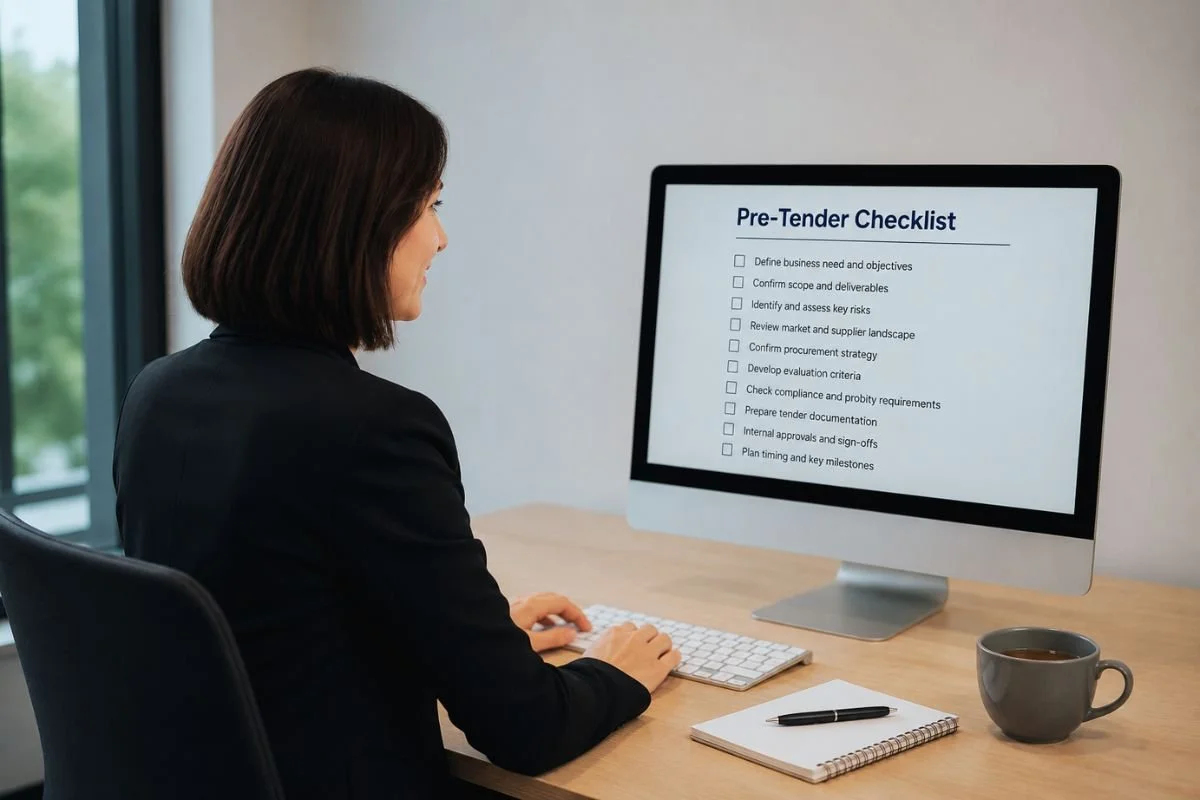
Are you actually ready to go to market?
A scope gap is not a small thing you fix in an addendum. It is the tender telling you, before you have spent a cent, that you are not ready to buy. Fix the scope first and the tender runs itself. Skip that step and you are just outsourcing your uncertainty to the market and hoping someone guesses right.
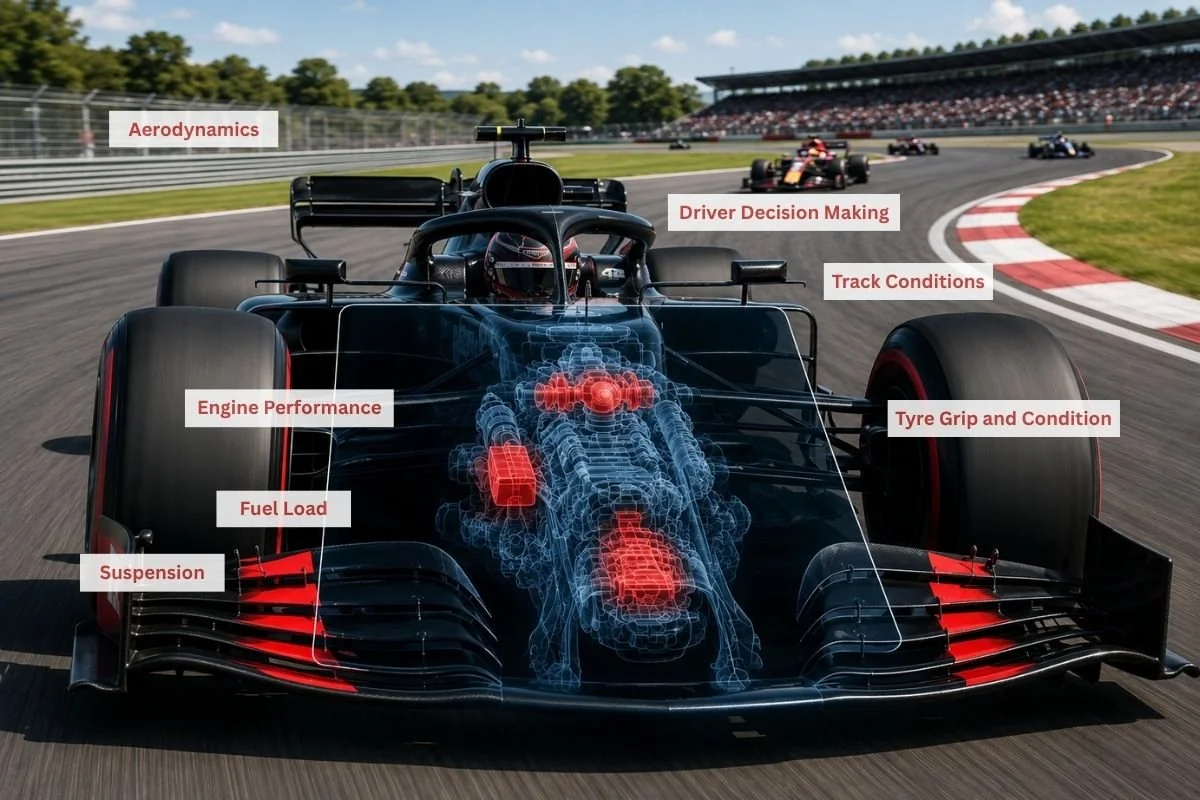
What a Procurement Diagnostic Actually Covers, and What it Does Not
Most organisations that call me in already sense something is wrong. Spend is scattered. Contracts are managed differently site to site. Nobody can say with confidence who owns a supplier relationship or what it is actually costing them. What they usually cannot do is describe the problem in a way that leads to action. That is the gap a diagnostic closes.

Who owns this contract? A one-page way to map ownership across your portfolio
You know that feeling when you walk into a room and everyone goes quiet? That's what happened when I showed a client their top 10 suppliers and asked where the formal contracts were for number two and three.

The Difference Between Following a Process and Understanding What You Actually Need
They did everything right. Followed the process. Got three quotes. Awarded the contract. And still got it completely wrong.

Procurement Operating Models: why busy teams are often a warning sign
A procurement function that is always busy is rarely a strategic one. Here is what that pattern usually signals and what a better structured operating model looks like.

Procurement Does Not End When the Contract Is Signed. That Is Where the Real Work Begins.
There is a mindset in procurement that is becoming more common. It should worry people.
It goes like this: procurement sources the contract, hands it to the business, and from that point on it is the business's risk to manage.
I understand where this comes from. Procurement teams are stretched. Scope is hard to defend. And once the contract is signed there is always another sourcing activity waiting.
But this mindset is not just short-sighted. It is genuinely dangerous.